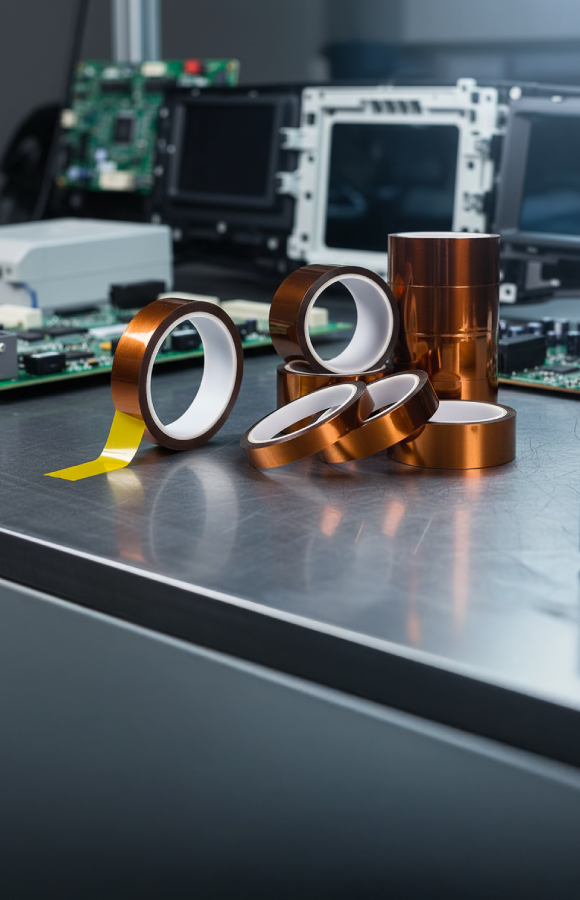
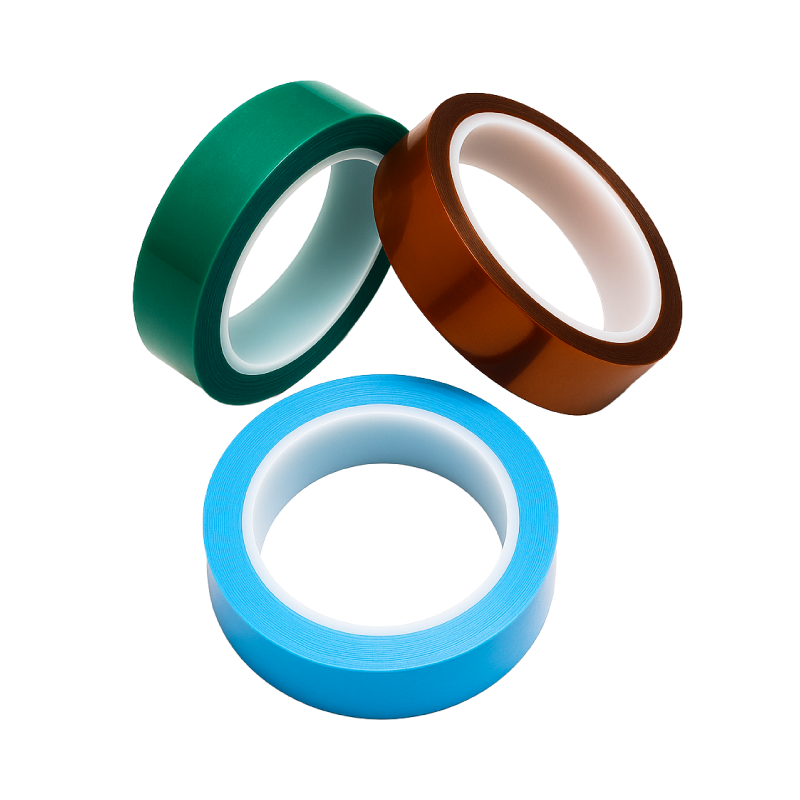
Bonding + heat dissipation in a single sheet for electronics and industrial applications
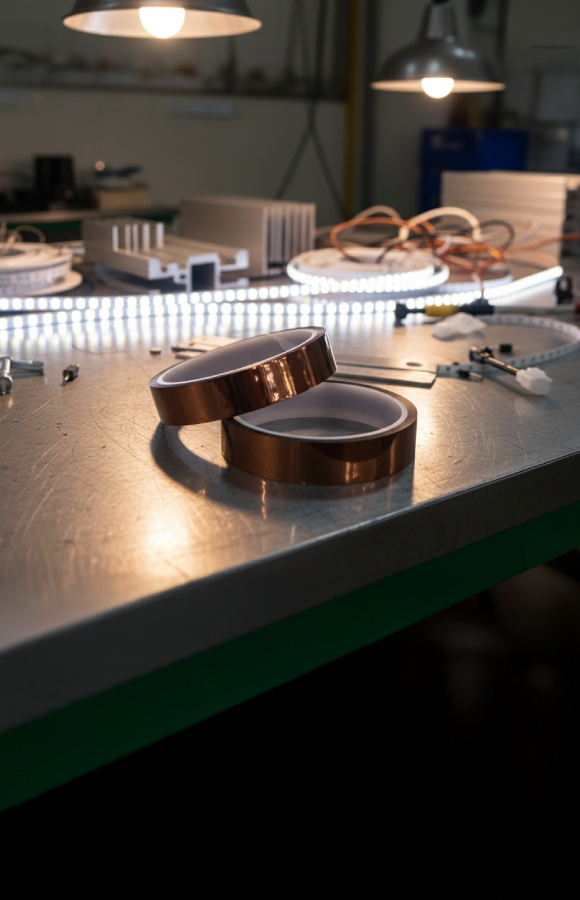
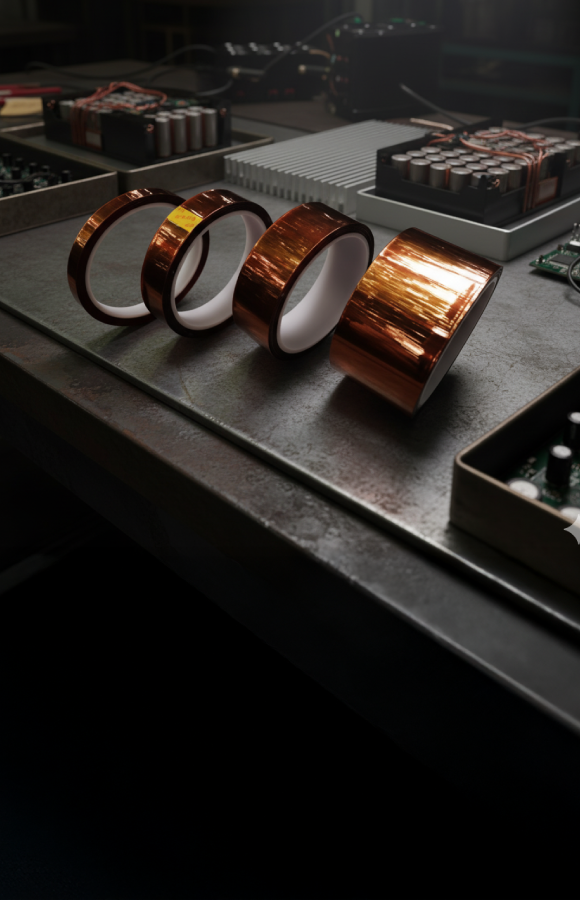
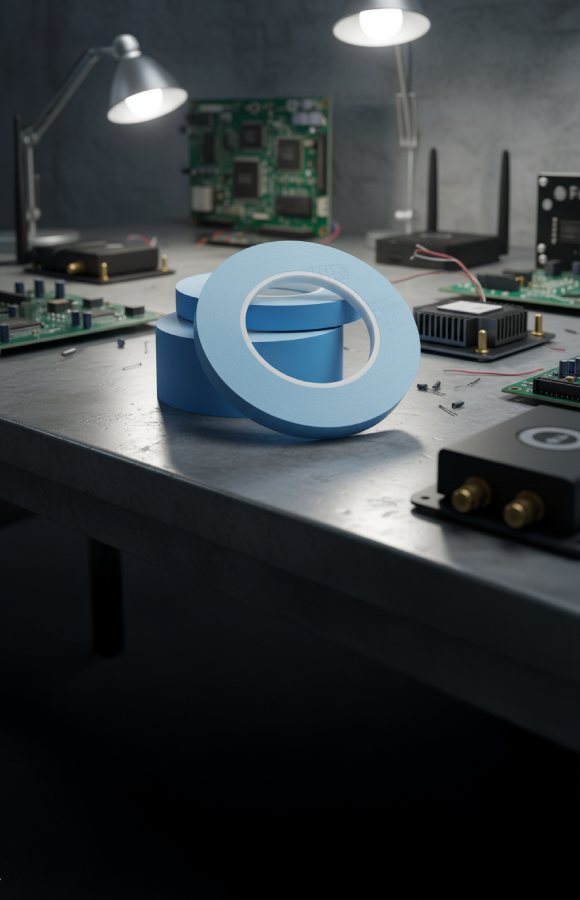
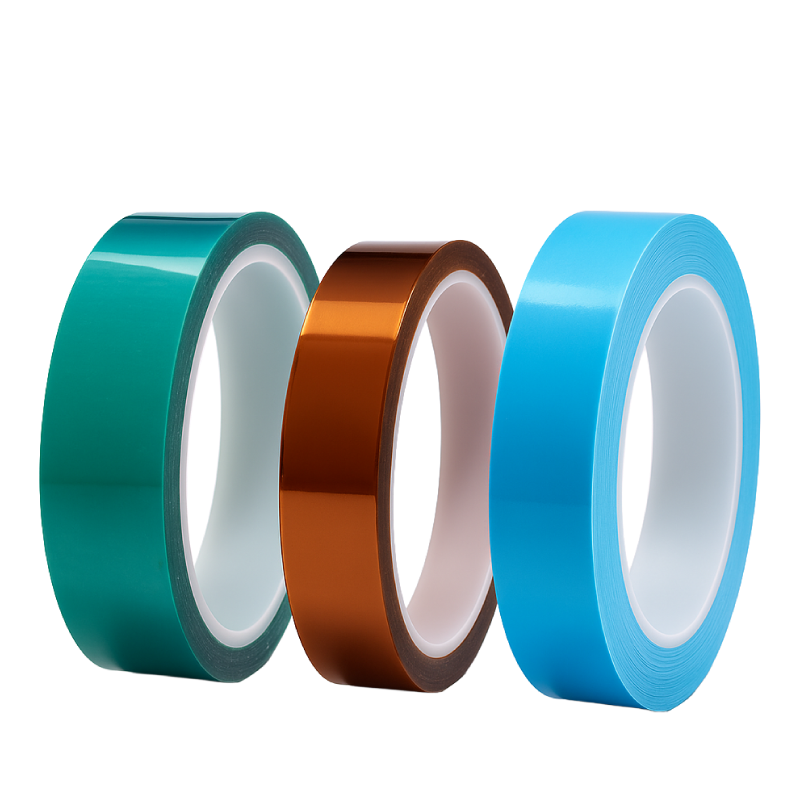
Thermal conductive tape is a double-coated adhesive tape engineered for high thermal conductivity. Its acrylic/silicone adhesive layer is compounded with thermal fillers (e.g., Boron Nitride, Alumina) to transfer heat from electronic components to a heatsink/chassis, helping reduce component temperature while maintaining strong, durable bonding. Ideal for LED modules, ICs/power devices, battery packs, communication equipment, electric vehicles, and die-cutting on production lines.
Thermal conductive tape: a double-coated tape with adhesive layers filled with thermal fillers (Thermal Filler) such as Boron Nitride / Alumina to transfer heat from the source to the heatsink/chassis. It typically consists of top/bottom adhesive layers, an optional carrier (PET film/synthetic fiber) for dimensional stability, and a release liner protecting the adhesive before use. Key benefit: heat transfer + bonding in one sheet, reducing material layers and assembly steps while keeping thermal performance consistent.
Thermal conductive tape
Boosts heat dissipation, strong bonding, electrical insulation (by grade). Suitable for LED/IC/power modules, battery packs, communications, and EVs.
Designed to transfer heat and bond simultaneously, reducing material layers and assembly time while maintaining thermal quality standards of the system.
Adhesive Layers (both sides) – Acrylic/silicone adhesive filled with thermal fillers such as BN/Alumina to increase thermal conductivity.
Carrier (if any) – PET film/synthetic fiber adds shear strength/dimensional control while keeping the sheet thin and flexible.
Release Liner – Silicone paper or PET film for easy release and compatibility with industrial die-cutting.
Key advantages of thermal conductive tape
Excellent heat transfer (e.g., 0.6–3.0 W/m·K depending on grade), strong adhesion, electrical insulation (per spec), temperature/humidity resistance—ideal for assembly and die-cutting.
Bond + dissipate heat in a single step +
Reduce material layers from “adhesive + thermal grease” to just one tape sheet. Cleaner, faster, and more consistent assembly.
Multiple thermal conductivity levels (W/m·K) available +
From cost-effective to high-end grades—choose based on device wattage and operating conditions.
Electrical insulation/withstand voltage (by grade) and environmental resistance +
Helps prevent short circuits and maintains performance across wide temperature/humidity ranges—works in production rooms and semi-outdoor environments.
Characteristics and types of thermal conductive tapes (Types & Materials)
Choose by adhesive chemistry (Acrylic/Silicone), thermal conductivity (W/m·K), thickness, electrical insulation, and liner type to fit your parts and production process.
Acrylic Thermal Tape
Acrylic adhesive with thermal fillers. Good thermal conduction, electrically insulating, moisture resistant—ideal for LED/IC and general assembly.
01
Silicone Thermal Tape
High-temperature silicone adhesive maintains performance under heat and in power circuits—ideal for power devices/heatsinks.
02
High k-Value (Enhanced Filler)
High-filler grades deliver higher thermal conductivity (k). Suitable for components with high power density and heat output.
03
Thin & Clear (specialized applications)
Ultra-thin/clear (specific grades) for areas requiring minimal thickness and light control, such as certain lenses/displays.
04
06
1) Thermal conductivity (k) vs. adhesion
Balance between high k for heat spreading and suitable peel/shear performance for ICs, LEDs, heatsinks, and metal/insulating surfaces.
2) Thickness and sheet structure
For uneven mating surfaces, choose thicker/softer grades to fill gaps. For low thermal resistance, select thinner grades.
3) Adhesive chemistry (Acrylic / Silicone)
Acrylic: good electrical insulation and moisture resistance, suitable for LEDs/general electronics. Silicone: high heat resistance, suitable for power/automotive.
4) Temperature and environment
Define continuous/peak operating temperatures and exposure to humidity, dust, and oil to choose grades that maintain performance.
5) Release liner type and converting
Silicone paper for cost efficiency, or PET liner for strength and smooth feeding in kiss-cut/laser processes.
6) Brands and spec documents
Choose brands providing TDS/standard testing (UL, RoHS) such as SOKEN, 3M, NITTO, TESA, along with guidance on k/thickness selection.
Use cases by industry
Electronics industry
Used for: Bonding heatsinks to IC/VRM/power modules
Why: High k, strong adhesion, electrical insulation (by grade), fast assembly
Lighting / LED
Used for: Attaching LED strips to heatsinks/aluminum frames
Why: Good heat dissipation stabilizes LED brightness
Battery packs / energy
Used for: Transferring heat to plates/chassis
Why: Balances heat, reduces hot spots, improves durability
Communications / networking / 5G
Used for: RF modules, routers, small cells
Why: Consistent heat spreading improves signal stability
Automotive / EV interior
Used for: Infotainment, ECU, sensor modules
Why: Strong bonding, lowers operating temperature
Computers / power supplies
Used for: Bonding heat spreaders/heat pipes to heatsinks
Why: Clean, consistent assembly with lower thermal resistance
★ Advantages of thermal conductive tape
Advantages of thermal conductive tape (Advantages)
Excellent heat transfer, strong bonding, clean process, faster assembly, reduced interface thermal resistance, and compatible with industrial die-cutting.
✔
Decide faster in 4 points
Match k/thickness/adhesive/electrical insulation to your application
•Great heat dissipation — lowers component temperature and improves stability
•Strong adhesion — peel/shear tailored to part specs
•Die-cut friendly — repeatable mass production
•Clean process — reduces use of grease/liquid silicone
Choose the right thermal conductive tape for your application here
Complete range of Acrylic/Silicone chemistries, multiple k levels and thicknesses. Select by surface, electrical insulation, temperature range, and die-cutting process. Consultation and sample testing available before production.


























 LINE @wetapestore Check stock / product inquiry
  Chat with Staff Live chat during business hours
  Request a Quote Send details for pricing
  Call Direct sales hotline