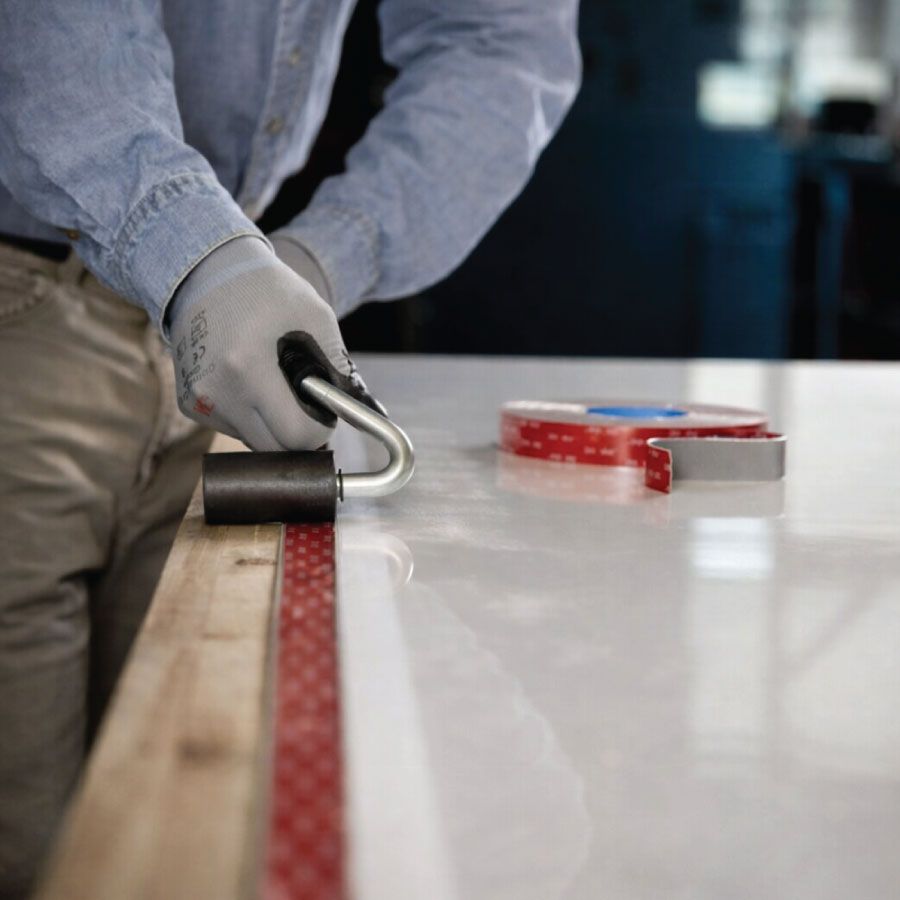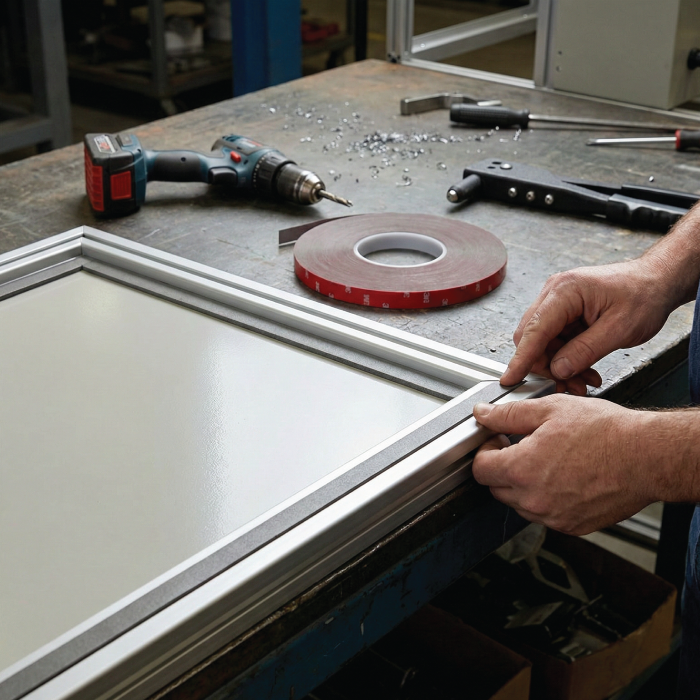





















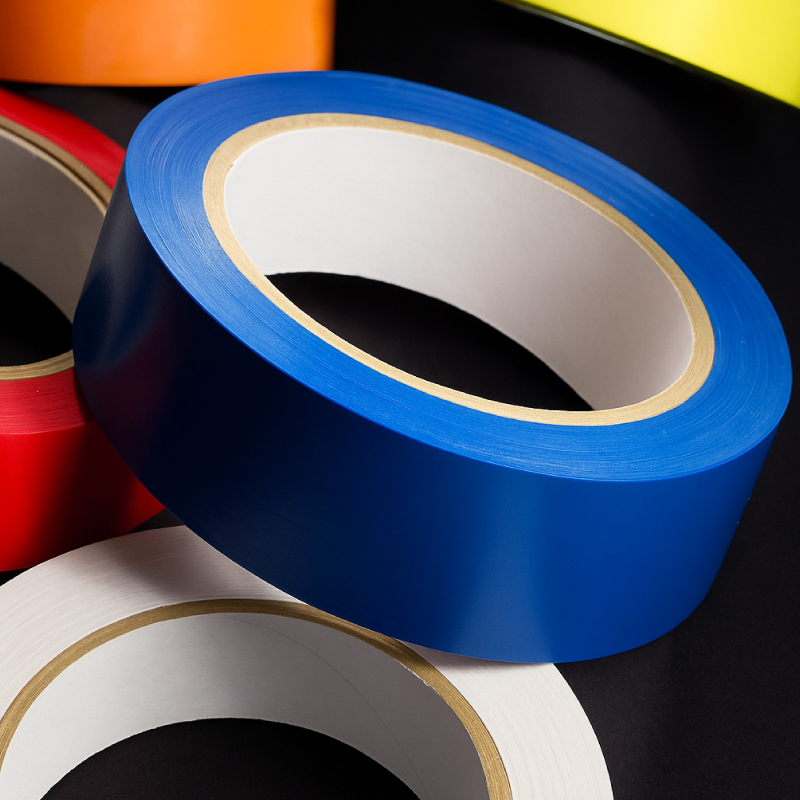
single-sided adhesive tape

 
SINGLE-SIDED TAPE Single-Sided Tape

Choose the Right Single-Sided Tape
for Your Application, from Surface to Temperature


Adhesive on one side of backing materials — film, paper, cloth, or foil — for sealing, masking, protection, and insulation. Choose the correct specifications from the start to minimize tape detachment and adhesive residue.

Expert specification consultation before ordering Technical Data Sheets (TDS) available for reference Slitting and die-cutting to exact custom widths Sample testing available prior to bulk purchase
3M NITTO tesa SOKEN NICHIBAN SEKISUI

Product Information

What is Single-Sided Tape?


Single-sided adhesive tape is coated with adhesive on only one side of a backing material, such as film, paper, cloth, or foil, while the other side is non-adhesive for easy handling and cutting. It is widely used for sealing, surface protection, insulation, masking, and marking.

Difference from Double-Sided Tape — Single-sided tape is ideal for sealing, wrapping, and surface protection, whereas double-sided tape is designed to bond two surfaces together.
Backing Material + Adhesive Layer — The backing material determines tensile strength and temperature resistance, while the adhesive type dictates bonding strength and peel characteristics.
Common Applications — Carton sealing, paint masking, wire bundling, surface scratch protection, and industrial maintenance operations.

Choose by Application

All 12 Single-Sided Tape Categories


All single-sided tape types in one place — click any card to view product details and request a quotation for each category.


Washi Tape

Clean paint lines, clean removal
View Products →
 

Paper Masking Tape

Versatile, general maintenance
View Products →
 

Vinyl / PVC Tape

Flexible, electrical insulation
View Products →
 

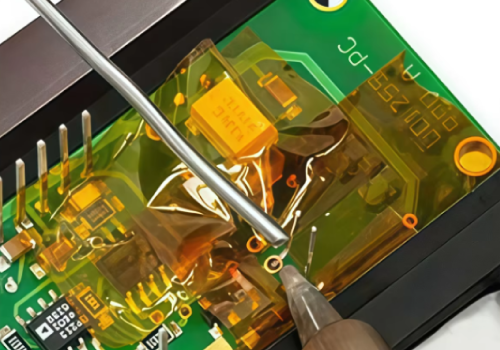
Kapton Tape

High heat resistant, soldering work
View Products →
 

Mylar Insulation Tape

Insulation for electronic applications
View Products →
 

Transparent Anti-Static Tape

Prevents static electricity in production
View Products →
 

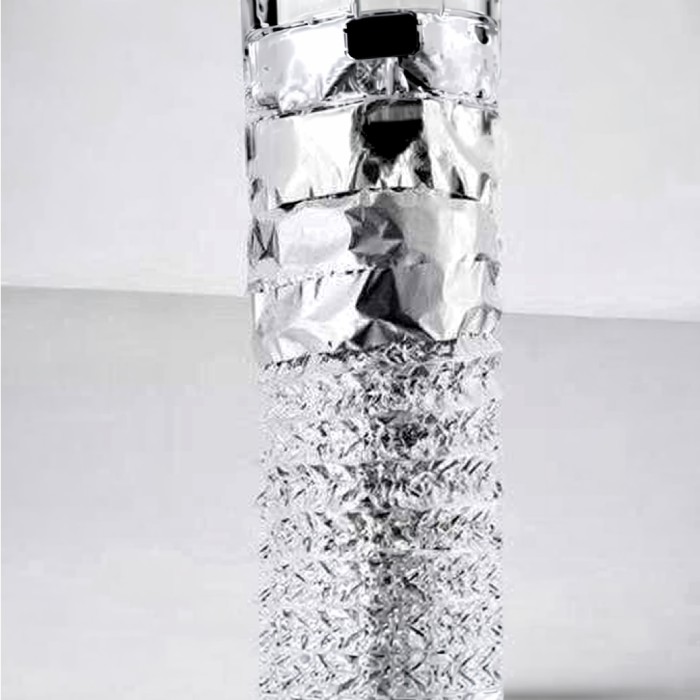
Aluminum Foil Tape

Heat reflective, pipe sealing
View Products →
 

Copper Foil Tape

Reduces EMI noise interference
View Products →
 

Protective Tape

Protects surfaces from scratches
View Products →
 

Filament Tape

Reinforced, strong bundling
View Products →
 

Fabric Tape

High tensile strength, strong bond
View Products →
 

Reflective / Luminous Tape

Line marking, high visibility
View Products →

HOW-TO GUIDE

How to Choose the Right Single-Sided Tape

Review each step before deciding to prevent tape detachment, adhesive residue, or selecting the wrong type.

1 Identify the Purpose
Masking, sealing, wire bundling, surface protection, reinforcement, heat resistance, electrical conductivity, or marking.
2 Check the Surface Material
Metal, glass, plastic, paper, wood, rubber, painted surfaces, or textured surfaces.
3 Evaluate the Environment
Temperature during application and use, moisture, water, oil, chemicals, UV exposure, and outdoor usage.
4 Determine Application Duration
Temporary attachment for removal after processing, long-term adherence, or permanent installation.
5 Verify Special Requirements
Clean removal, flame retardancy, electrical insulation, electrical conductivity, anti-static, cleanroom compatibility, or specific certifications.
Not sure which type fits your application?
Send your surface details, operational conditions, and temperature requirements to our team for personalized tape recommendations before purchasing.
Consult on Tape Selection ›

COMPARISON

Tape Category Comparison Table

See the differences between each type in a single table without reading every category.

Tape Type Backing Material Key Features Ideal Application Removal
Washi Tape Washi Paper Sharp paint lines, clean removal Painting and masking work Temporary use
PVC Tape PVC Film Flexible, insulating Electrical work and marking Depends on model
Kapton Tape Polyimide High temperature resistance Electronics and soldering work Depends on adhesive type
Aluminum Foil Tape Aluminum Foil Sealing and heat reflection HVAC systems and insulation Often long-term
Fabric Tape Cloth or Fibers Strong and flexible Maintenance and securing parts Depends on model
Protective Tape Plastic Film Scratch prevention Metal, glass, and plastic Designed for clean removal

Note: Values in this table represent category-level overviews. Actual specifications depend on specific product models.

Before using for electrical or insulation work, please verify these 2 points

Information on this page is an overview to assist with selection. Always confirm with the latest Technical Data Sheet (TDS) and project design standards before actual use. · Insulation tape is only one component of a safety system; high-voltage applications must be designed and inspected directly by qualified electrical personnel. If unsure, consult our team before ordering.

Further Reading

Related Guides and Categories

In-depth guides on selecting and using each tape type before making a decision.
FAQ

Frequently Asked Questions About Single-Sided Tape

What is single-sided tape? +
Tape with an adhesive layer on only one side of a backing material such as film, paper, cloth, or foil. Used for sealing, protection, insulation, masking, and marking.
How does single-sided tape differ from double-sided tape? +
Single-sided tape has adhesive on one side, making it ideal for sealing, wrapping, marking, and protection. Double-sided tape has adhesive on both sides for bonding two materials together.
How many categories of single-sided tape are there? +
They are divided into several application groups, such as masking/painting, electrical/electronics, foil/EMI, surface protection, reinforcement, and marking.
Which tape type is suitable for high-temperature applications? +
Kapton tape (Polyimide) and aluminum foil tape are suitable for high-temperature operations.
Which tape type is used as electrical insulation? +
PVC tape and Mylar insulation tape serve as electrical insulation. Grades should be selected based on operating voltage and temperature.
Which tape removes cleanly without leaving residue? +
Washi tape and various protective tapes are designed to peel off cleanly without residue, depending on the model and duration of application.
How do aluminum and copper foil tapes differ? +
Aluminum excels in heat reflection and sealing, whereas copper excels in reducing EMI/RFI noise and grounding applications.
Can adhesive tape stick to plastics? +
Yes, but low-surface-energy plastics like PP or PE require suitable adhesives or primers to enhance bonding.
Should surfaces be cleaned before application? +
Yes — clean the surface to ensure it is dry, free of dust, oil residue, and moisture prior to application to achieve maximum bond strength.
How should adhesive tape be stored? +
Store in a cool, dry place away from direct sunlight and moisture, keep rolls flat, and seal packaging tightly.
Can custom widths be ordered via slitting? +
Many models can be custom slit to specific width requirements. Contact our team to check model availability and minimum order quantities.
What information is needed to request recommendations? +
Provide the application purpose, surface material, environmental conditions, temperature, duration of use, and required quantity so our team can recommend the precise solution.
 

Not Sure Which Tape Type to Use?


Send your surface details, operational conditions, and temperature requirements to our team to help recommend the most suitable type and grade before purchasing, reducing waste and rework.

Contact Our Sales Team Directly • Check Live Stock • Request a Quote
Business hours 08:00–17:00 Mon–Fri  •  Fast response, great for urgent orders, stock checks, and quotes