




















Kapton Tape
Choose by Roll Type
Choose by Roll Type — With or Without Liner
A "liner" is the PET backing film attached to the tape. That's the only difference — Without liner: Pull from the roll and use immediately. Ideal for masking and general hand application. · With liner: Features a backing to prevent adhesive sticking. Can be smoothly die-cut and fed into machines. Ideal for die-cutting and mass production.

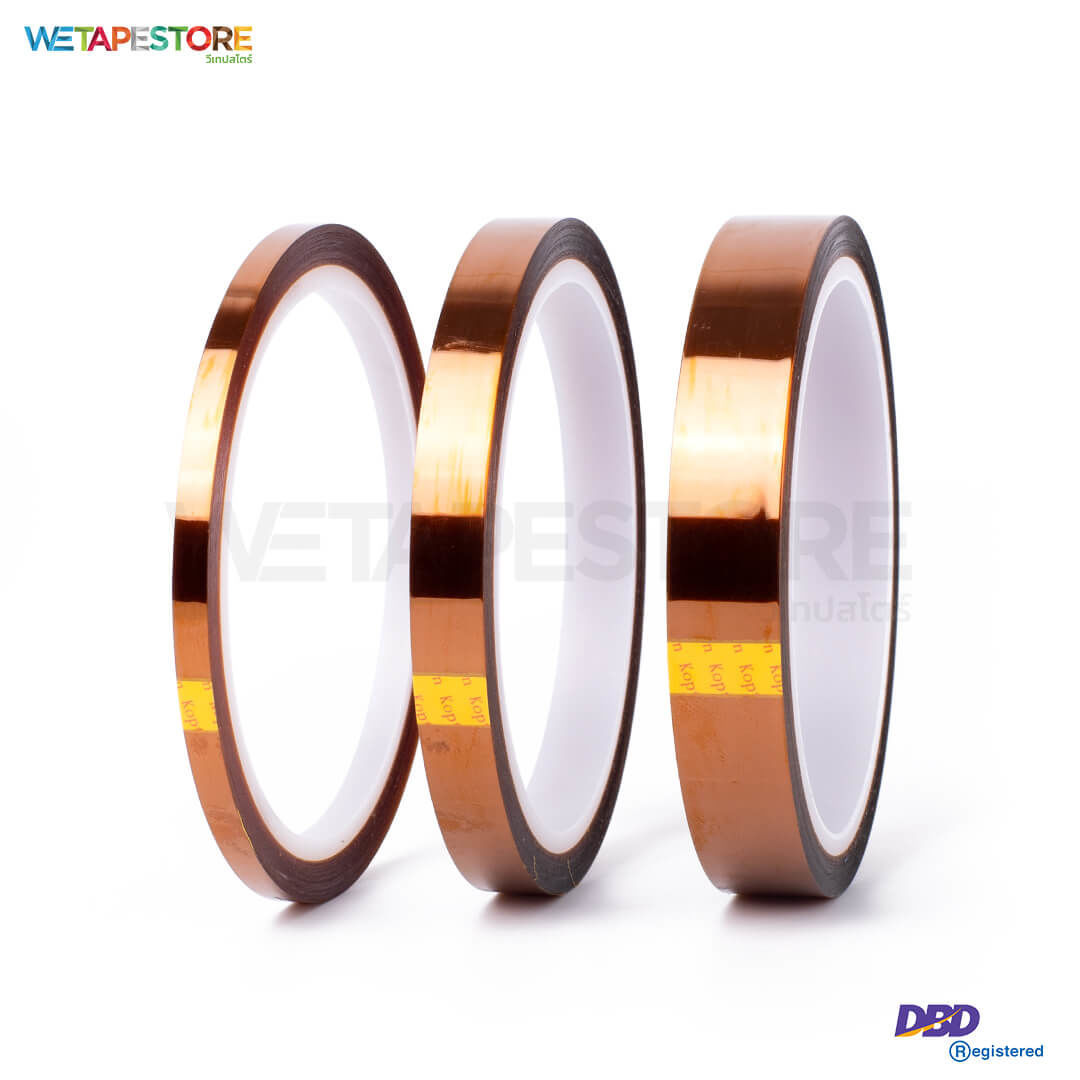
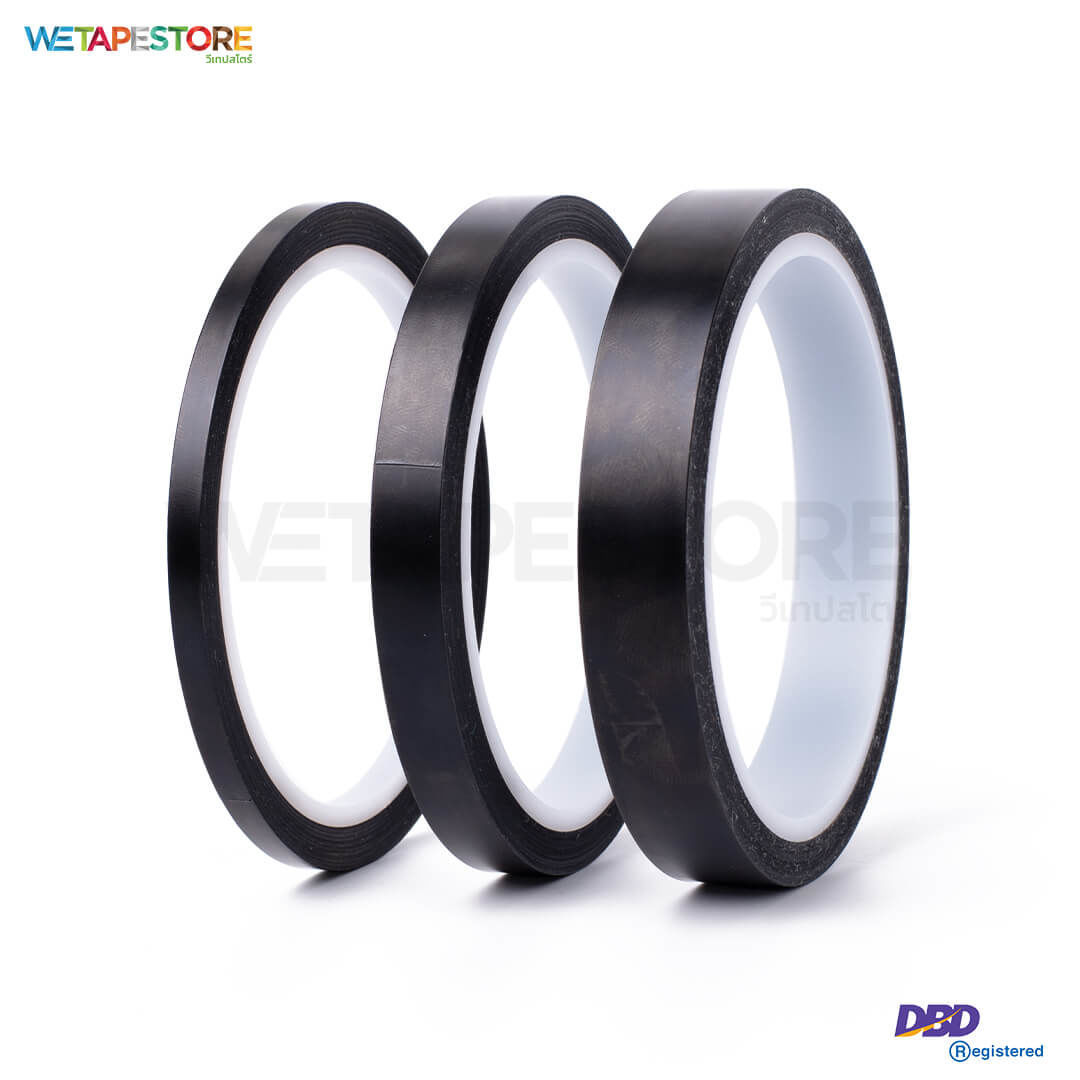

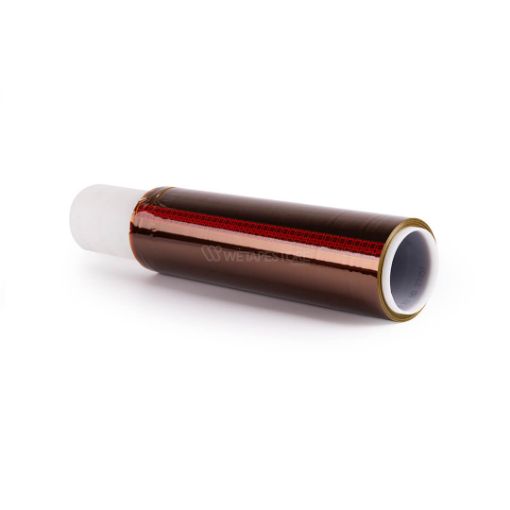
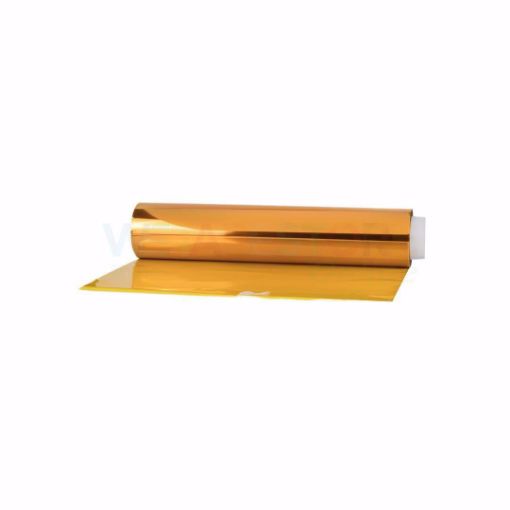
Need a different size or thickness, with or without a liner? Let us know your on-site dimensions. We provide custom cutting services (Slit / Die-cut) to fit your exact needs.
Know Before You Choose
What is Kapton Tape?
A tape utilizing Polyimide film as its base material, paired with silicone adhesive. Designed for high-temperature applications and masking to protect specific parts during production.
Withstands High Heat
Polyimide film has excellent heat resistance. Ideal for soldering, baking, and processes that standard tapes cannot endure.
Targeted Protection
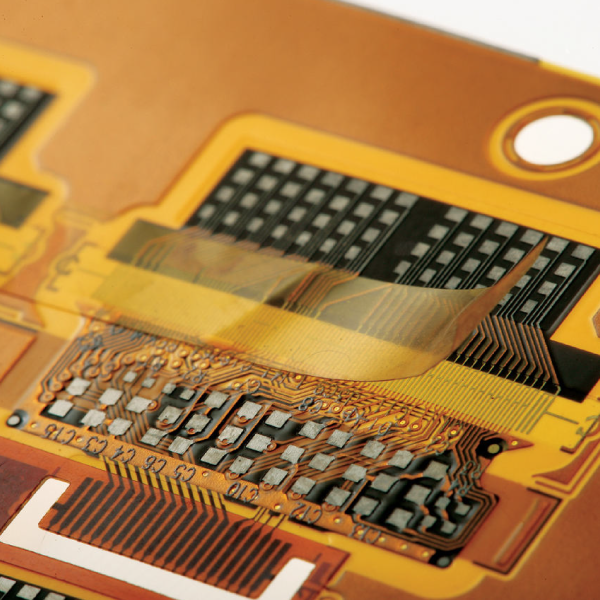
Masks areas that must not be exposed to heat, coatings, or chemicals, such as contact points on a circuit board.
Clean Removal
Silicone adhesive is designed for temporary bonding. Peels off easily when the job is done, reducing the chance of adhesive residue.
When Standard Tapes Fail
Why Regular Tapes Aren't Enough
Different tapes are designed differently. Using the wrong type for hot or chemical applications often results in wasted time on rework.
Adhesive Softens Under Heat
Tapes not designed for high temperatures may peel off or lose adhesion during baking and soldering.
Leaves Residue After Peeling
Requires an additional cleaning step, risking damage to the workpiece surface.
Wasted Time on Rework
When issues recur in the production line, the cost of wasted labor and time is often much higher than the tape itself.
Real-World Applications
What Applications Can It Be Used For?
From PCB assembly lines and paint spray booths to 3D printing, polyimide tape is used to protect specific parts during processes involving heat or chemicals.
Choose the Right Fit
Check These 3 Factors to Choose the Right Model
No single tape fits all jobs — tell us just these 3 things, and our technical team can instantly point you to the right model.
Temperature & Duration
How hot is the job and for how long? E.g., quick soldering or baking for several minutes. Both affect the suitable model.
Surface & Chemicals
Is the surface smooth or rough? What fluids or coatings will it touch? Choose an adhesive that grips well and truly resists.
Size & Thickness
Narrow for detailed work, wide for covering large areas. Choosing the exact fit for the job reduces waste.
Additional Services
Custom Cutting (Slit / Die-cut)
Available in multiple widths and thicknesses, cut to perfectly fit your job — No need to buy excess, zero waste.
How to Use
Apply · Use · Peel: Done in 5 Steps
Clean the Surface
Wipe dry, free of dust and grease.
Apply Accurately
Place to perfectly cover the protected area.
Press Firmly
Squeeze out air, leaving no bubbles underneath.
Process
Bake, solder, or spray chemicals as usual.
Peel Off
Wait for the part to cool, then remove by hand.
This information is reviewed by the WeTapeStore Technical Product Team
Compiled from manufacturer Technical Data Sheets (TDS) and common questions from actual applications by customers in electronics, automotive, and coating industries. · Last updated August 27, 2026
Things to Know Before Use
- 260°C is a general reference value. The actual usable limit depends on the model, thickness, and heat exposure duration. Always refer to the specific model's TDS.
- For electrical safety-related work, refer to the Dielectric Strength and certifications like UL for that specific model. Always have a responsible engineer approve the specifications before actual use.
- We recommend testing on actual workpieces before ordering for mass production, as surfaces, chemicals, and heat cycles vary across factories.
- Peel the tape off once the workpiece has cooled down, and store rolls in a dry place away from sunlight to preserve adhesive shelf life.
Information on this page is a basic guideline for material selection, not engineering specifications for specific applications. Please request the full TDS from our team before defining specs in production documents.
Frequently Asked Questions
Common Customer Questions
What is Polyimide Tape (Kapton Tape)?+
What is the maximum heat resistance temperature?+
Does it leave adhesive residue when peeled off?+
What applications can it be used for?+
How to choose the thickness and size?+
Can it be used as standard electrical insulation?+
 LINE @wetapestore Check stock / product inquiry
  Chat with Staff Live chat during business hours
  Request a Quote Send details for pricing
  Call Direct sales hotline