




















Acetate Cloth Tape
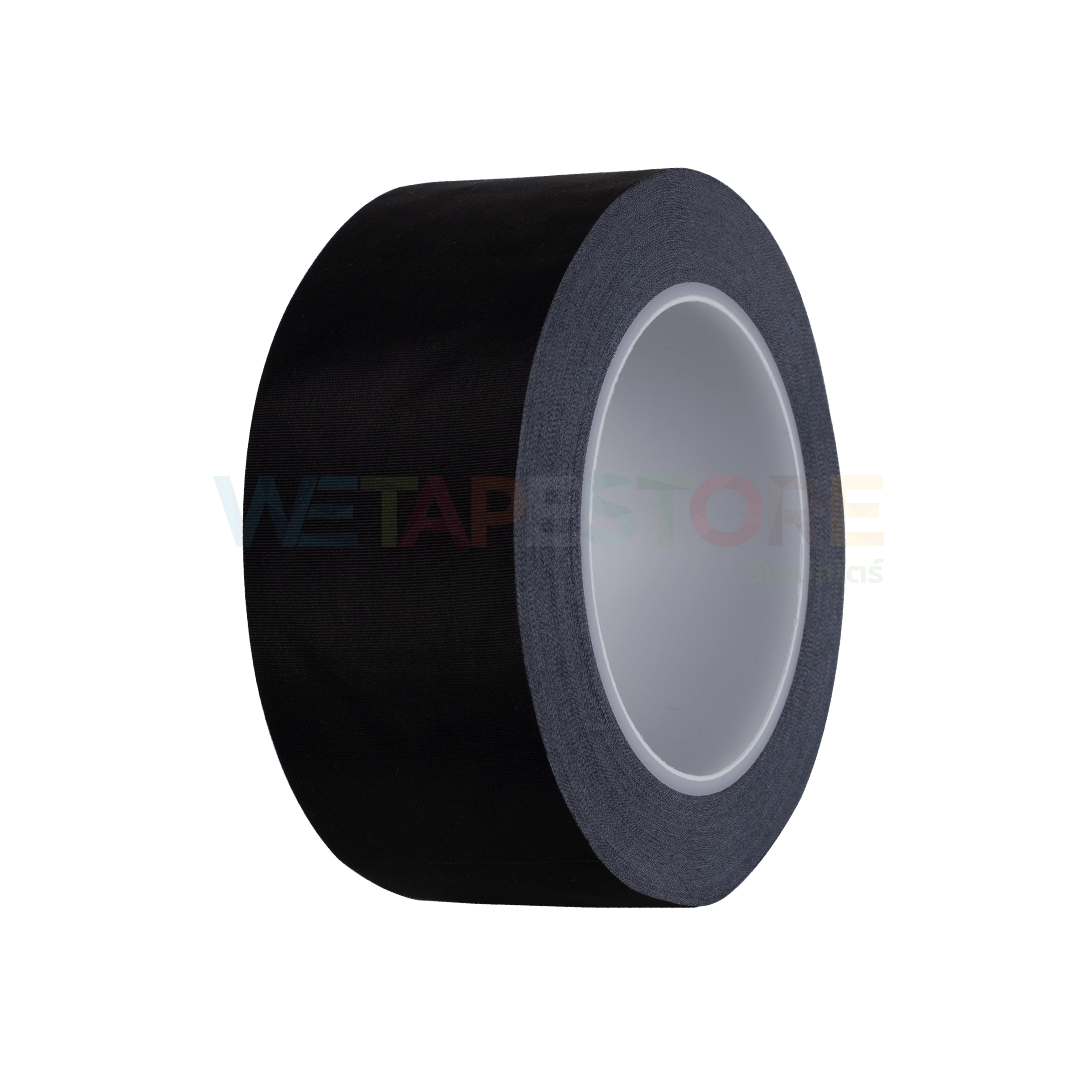
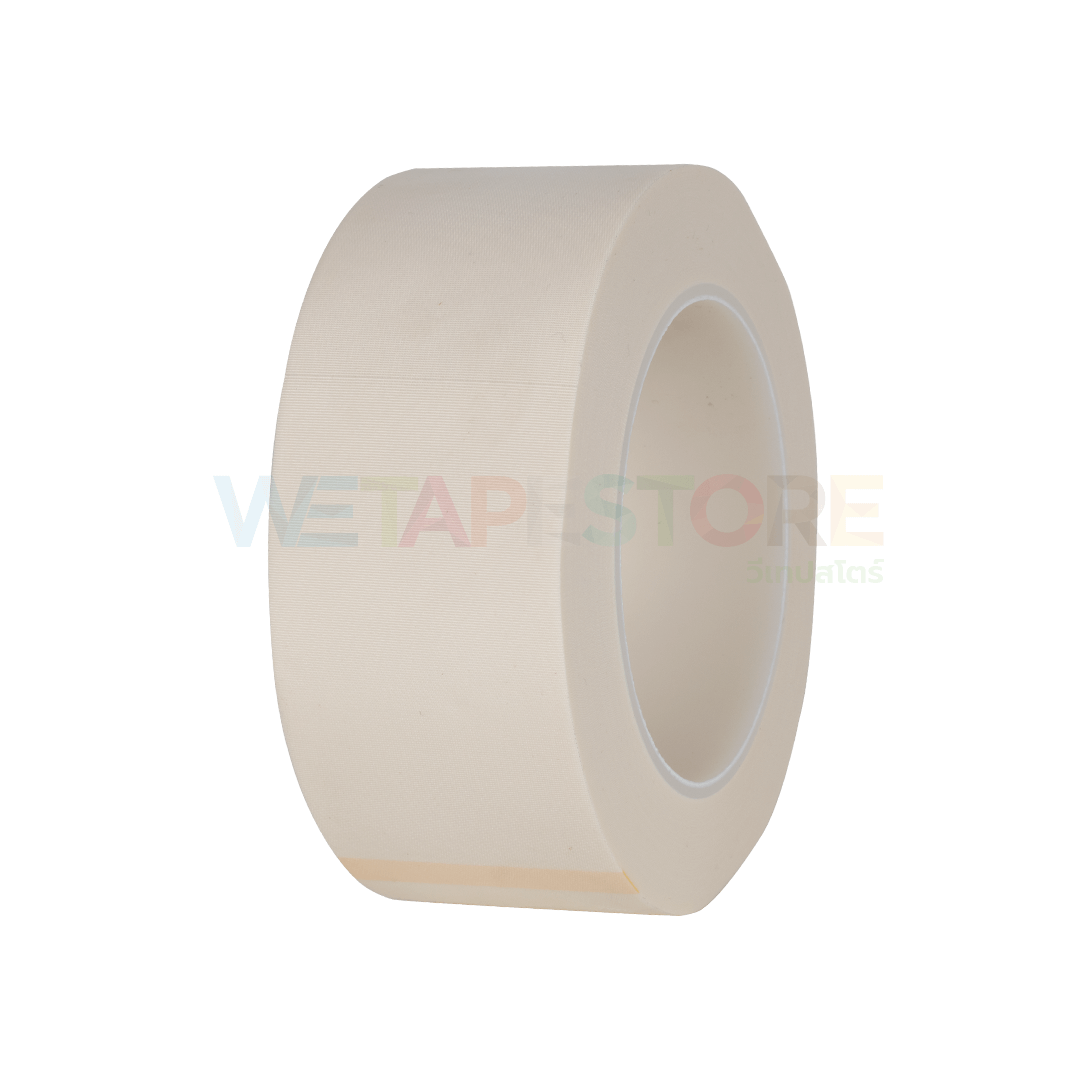
Which Color Fits Your Job?
MT 400 Single-Sided Acetate Cloth Tape for coil, motor, and transformer insulation.
What is Acetate Cloth Tape?
If you open a motor or transformer, the tape wrapped around most coils is Acetate Cloth Tape. Woven from acetate fibers and coated with acrylic or rubber adhesive, it offers a "cloth" texture, not a "film".
The difference from polyester film tape (PET or Mylar Tape) lies in the material. It comes down to 2 main things:
Conforms to shapes, takes corners without tearing
Motor coils rarely have completely smooth surfaces. Acetate cloth stretches and bends around corners without splitting. PET film is a flat sheet with limited stretch, better suited for flat surfaces rather than intricate winding.
Fully absorbs, making the coil a solid unit
During varnish dipping, the fabric absorbs the resin into its structure. Once dry, the tape and coil fuse into a single solid unit, making the coil strong and perfectly insulated. PET film does not absorb; the resin just coats the outside.
For flat surfaces that require thinness, Mylar Insulation Tape (PET) works fine. But for coil winding that requires varnish dipping, Acetate Cloth Tape is the material specifically designed for the job.
What happens if you pick the wrong tape?
A roll of tape costs only a few dollars, but if you pick the wrong one, the real cost isn't the tape. It's the downtime, the rewinding labor, and the rejected products.
Comes out of the oven perfectly intact
Acetate cloth tape adhesive is formulated to withstand the curing oven cycles. It won't soften, ooze, or peel off the coil. The winding remains exactly as it went in.
Tearable by hand, no need to put down the workpiece
Acetate fabric can be torn straight by hand along the threadline with clean edges. Operators can continue winding in a single motion without changing their workflow or adding tools.
TDS and MSDS are available upon request
TDS provides technical data, and MSDS provides safety data. They are crucial for audits, customer material registration, and exports. Just tell us the model and color via LINE @wetapestore to get the files.
What jobs is it for?
High-stakes applications involving direct electricity and heat — one insulation failure ruins the whole unit.
When is it used in production?
It's not used throughout the entire line, but grabbed during 3 key stages: after coil winding, during varnish dipping, and for securing wires before finishing.
After winding, before dipping
Wrapped around the outermost layer of the coil. It does two things at once: holds the wires tightly to prevent unraveling, and serves as an insulation layer before moving on.
During varnish dipping
The fabric fully absorbs the varnish, not just coating the surface. Once dry, the tape and coil solidify into a single piece.
Securing wires before finishing
Bundles wires near heat sources, preventing the wire jacket from melting, which is a common cause of subsequent short circuits.
4 Questions Before Buying
Each question has two paths. Choose the one that fits your job. In less than five minutes, you'll know exactly what to order.
What is the maximum operating temperature?
Does the workpiece require varnish or resin dipping?
Do you know the exact width needed?
What is the final destination of the product?
Frequently Asked Questions
Can be used continuously at 130°C, classified as Class B insulation. It can handle temporary heat spikes, such as going into a curing oven, but if the operating temperature is continuously higher, we recommend Glass Cloth Tape or Kapton Tape instead.
Yes, and this is where it excels over plastic film tape. The fabric has the perfect porosity, allowing the resin to fully absorb rather than just coating the surface. Once dry, the tape and coil fuse into a single solid piece.
Yes, we have precision slitting machines. Just let us know the size in millimeters, and you'll get rolls ready for the production line. No recutting required, no material waste.
Information provided by WETAPESTORE Technical Team — Material One (Thailand) Co., Ltd., based on manufacturer TDS and real on-site experience. TDS and MSDS are available for all models before ordering. Call 02-026-3363
The stated values are general references. For actual usage, refer strictly to the specific model's TDS and your factory's electrical standards. Insulation tape is an auxiliary material and should not replace primary insulation.
Send us your project specs, and our team will check them before you order.
Tell us the application, the approximate temperature, and the coil width in millimeters. We'll determine the right color, width, and whether custom slitting is needed. We'll also send the TDS for you to review before making a decision.
 LINE @wetapestore Check stock / product inquiry
  Chat with Staff Live chat during business hours
  Request a Quote Send details for pricing
  Call Direct sales hotline