





















PVC electrical tape
PVC Electrical Tape Engineering Grade
Non-unraveling insulation. Reduces electrical leaks and short circuits in production lines.
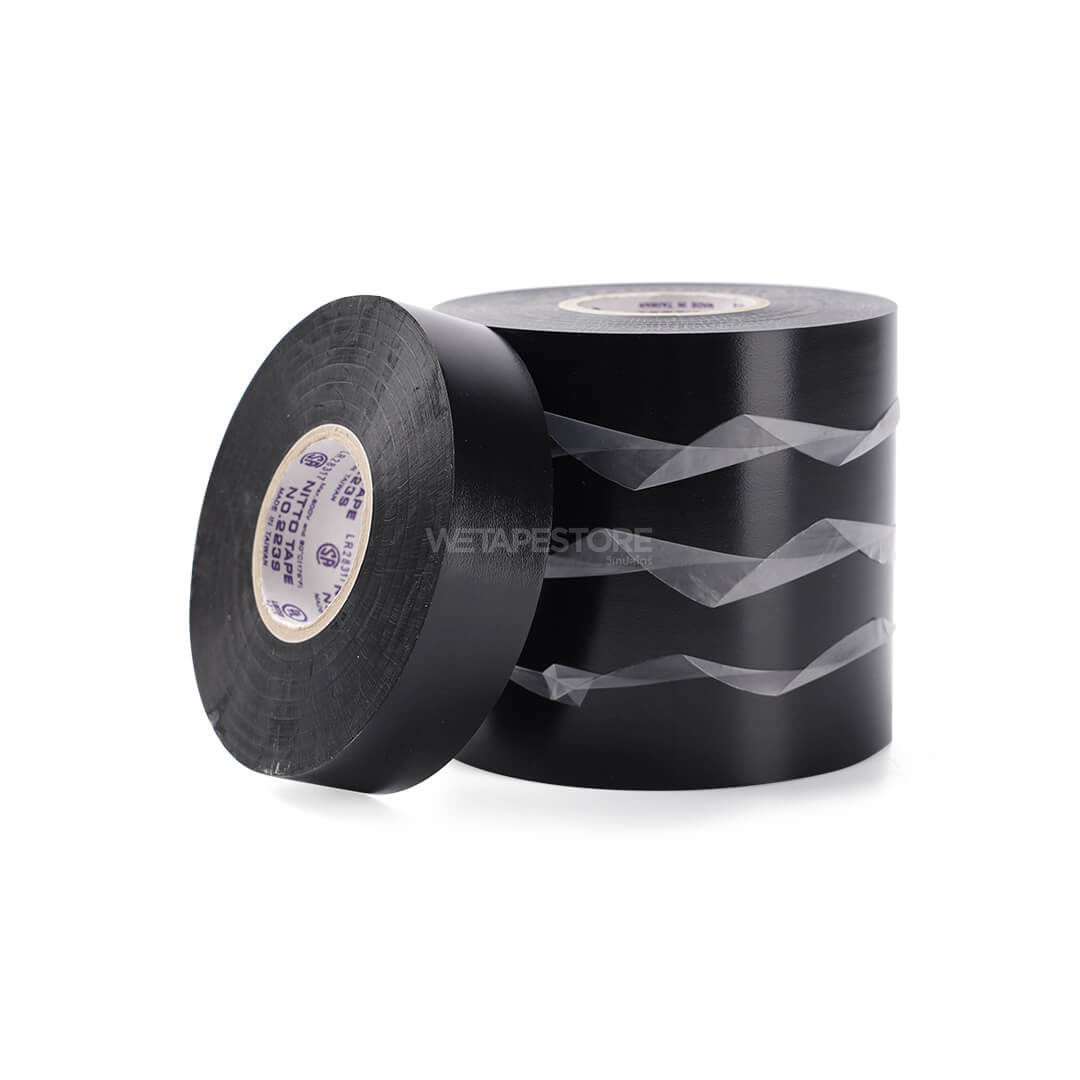
NITTO No.223S
PVC film, rubber adhesive, 0.19 mm thick. Withstands breakdown voltage up to 11.22 kV, elongates 280%. Wraps snugly around curves without tearing. UL-510FR certified, flame retardant.
Why is it Flame Retardant? +
Suitable Applications +
- Insulation for transformers, coils, and capacitors
- Wrapping corners of degaussing coils
- Computer equipment, air conditioners, electrical appliances
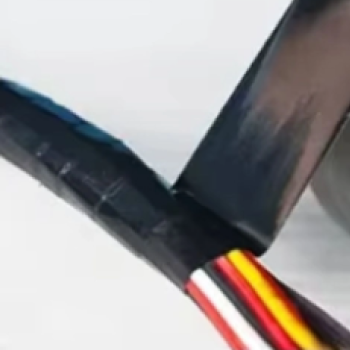
- Wire harnessing and color-coded phase identification
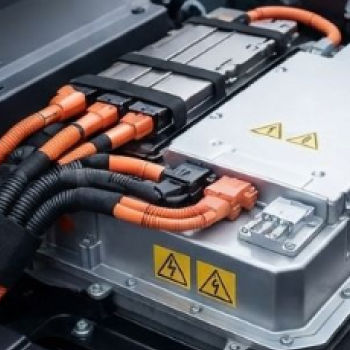
- Automotive, aircraft, and special vehicles
Specifications Table +
| Product No | No.223S |
| Adhesive | Rubber |
| Thickness | 0.19 mm |
| Size | 19mm × 20 M |
| Peel Strength | 5.64 N/19mm |
| Tensile Strength | 73.5 N/19mm |
| Elongation | 280 % |
| Breakdown Voltage | 11.22 kV |
| Electrolytic Corrosion Factor | 1 |
| Standards | UL-510FR · CSA |
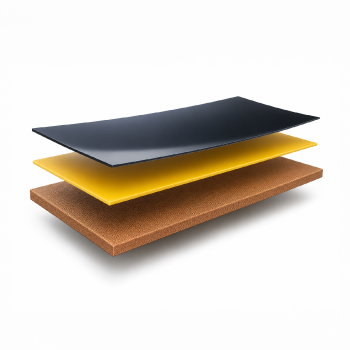
PVC Electrical Insulation Tape is a single-sided adhesive tape that uses Polyvinyl Chloride (PVC) film as a backing material, coated with a Rubber-based Adhesive. It is specifically designed to insulate wire connections in low-voltage systems.
It excels in electrical voltage resistance, moisture resistance, chemical corrosion resistance, and is Flame Retardant. It is an indispensable basic consumable in factory electrical maintenance and installation.
High Voltage Resistance
Safely insulates wire connections and terminals. Reduces the risk of electrical leaks and short circuits in production lines.
Moisture Resistance
Seals surfaces tightly, preventing water and moisture vapor from reaching the conductor. Prevents rust and deterioration of connections.
Chemical Corrosion Resistance
Can be used in factories with oil, acids, alkalis, and chemical vapors in the working environment.
Flame Retardant Flame Retardant
Self-extinguishing. Does not act as a medium for flames to spread along electrical wires in the production line.
What types of applications is it suitable for?
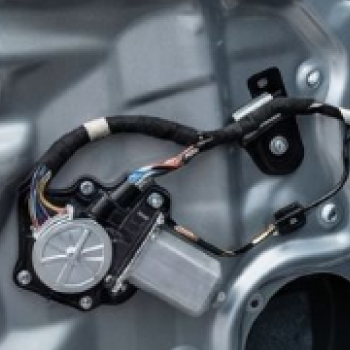
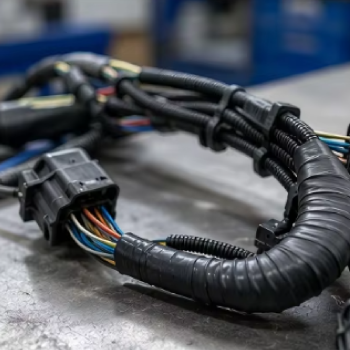
The applications our factory customers reorder most often — from control cabinets and PM tasks to production lines and automotive work.
Choosing the Right PVC Tape
Check these 3 things before ordering to reduce the risk of electrical leaks and rework across your entire system.
Check System Voltage and Joint Temperature
Compare the Breakdown Voltage with the system voltage. For example, No.223S offers 11.22 kV at 0.19 mm thickness. Always measure the actual temperature in the cabinet under full load, not room temperature.
Check the Application Purpose
If used for actual joint insulation, choose grades that clearly specify UL-510FR and CSA. But if used for phase identification or wire harnessing, focus on comprehensive and easily readable color sets on-site.
Check Width and Thickness
A 19 mm width is suitable for general joints, while smaller terminals or coil corners often require narrower widths. If there is no standard size that fits your job, we can custom slit to size.
If the job is too hot for PVC, change the material, not the brand — Higher temperature coil and transformer tasks should use polyester film tape, while PCB soldering and high-heat baking should use polyimide (Kapton) tape. See them all in the Electrical & Electronics Tape category ›
The values on this page are based on manufacturer documentation and are from sample tests. Always verify with the latest TDS and the standards specified in the design before actual use. · Insulation tape is not the sole electrical protection device; high-voltage work must be designed by the responsible electrical engineer. If unsure, consult our team before ordering.
Frequently Asked Questions
How does PVC electrical tape differ from cloth electrical tape? +
Which model should I use for tasks requiring certified standards? +
Why does electrical tape come in multiple colors? +
What causes tape adhesive to ooze onto wires, and can it be prevented? +
If the required width isn't available, can I order custom cuts? Is the MOQ high? +
Can I request a sample to test on-site before ordering? +
Is the tape you're using really suitable for your electrical system?
Let the team that has been working with industrial factories since 2011 help recommend the specifications that best fit your job.
 LINE @wetapestore Check stock / product inquiry
  Chat with Staff Live chat during business hours
  Request a Quote Send details for pricing
  Call Direct sales hotline