





















Thin Film Double Sided Tape
Thin Film Double-Sided Tape
Film Carrier for Industrial Applications
Thin Film Double-Sided Tape
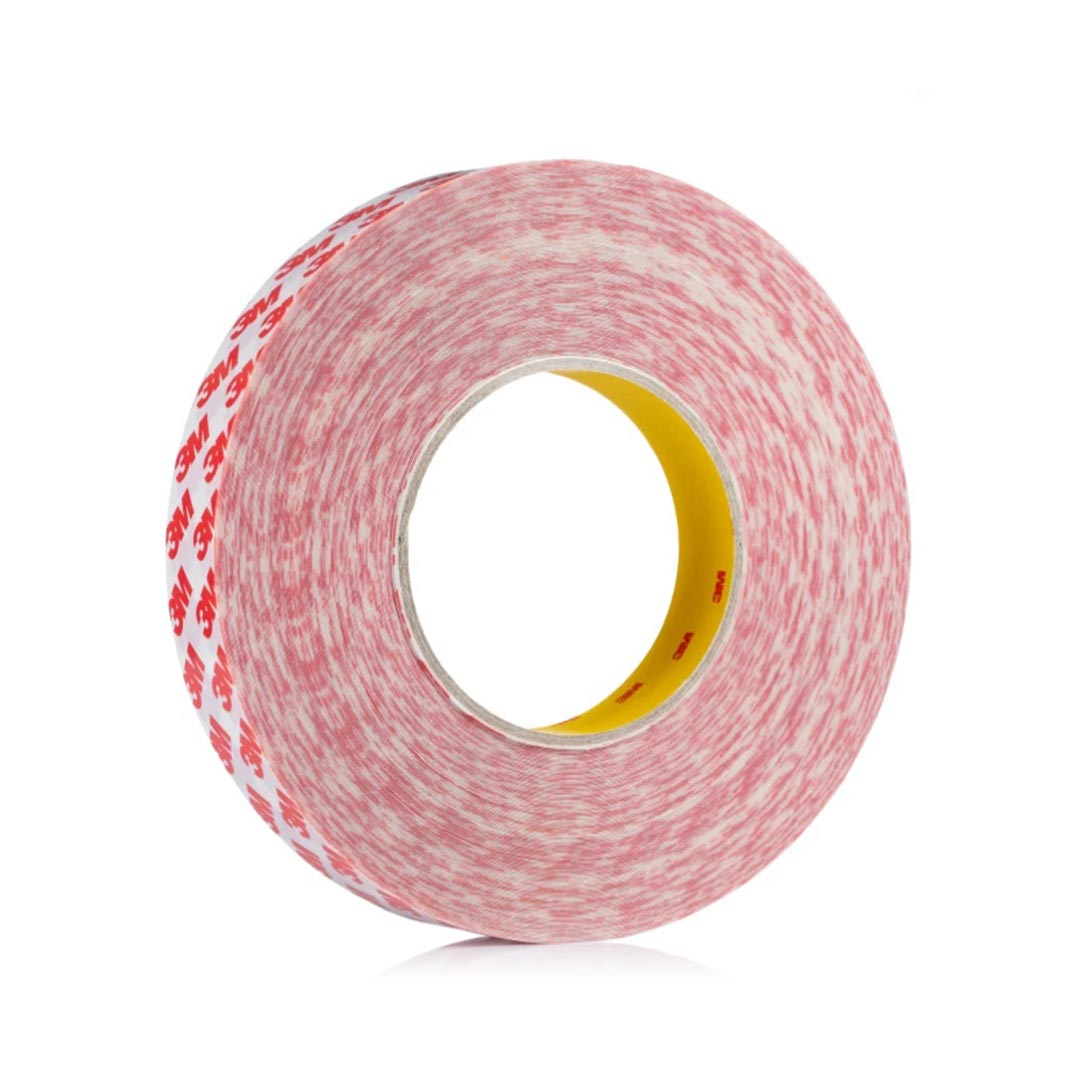
Thin film double-sided tape uses a film carrier such as PET, PE, or PVC coated with adhesive on both sides. It is suitable for component assembly, signage, graphics, and die-cutting. Select the film type, adhesive formulation, and thickness to suit the application.




Choose the Right Tape for Your Application
Select based on the surface, bond strength, and environment to find the right tape for your application.
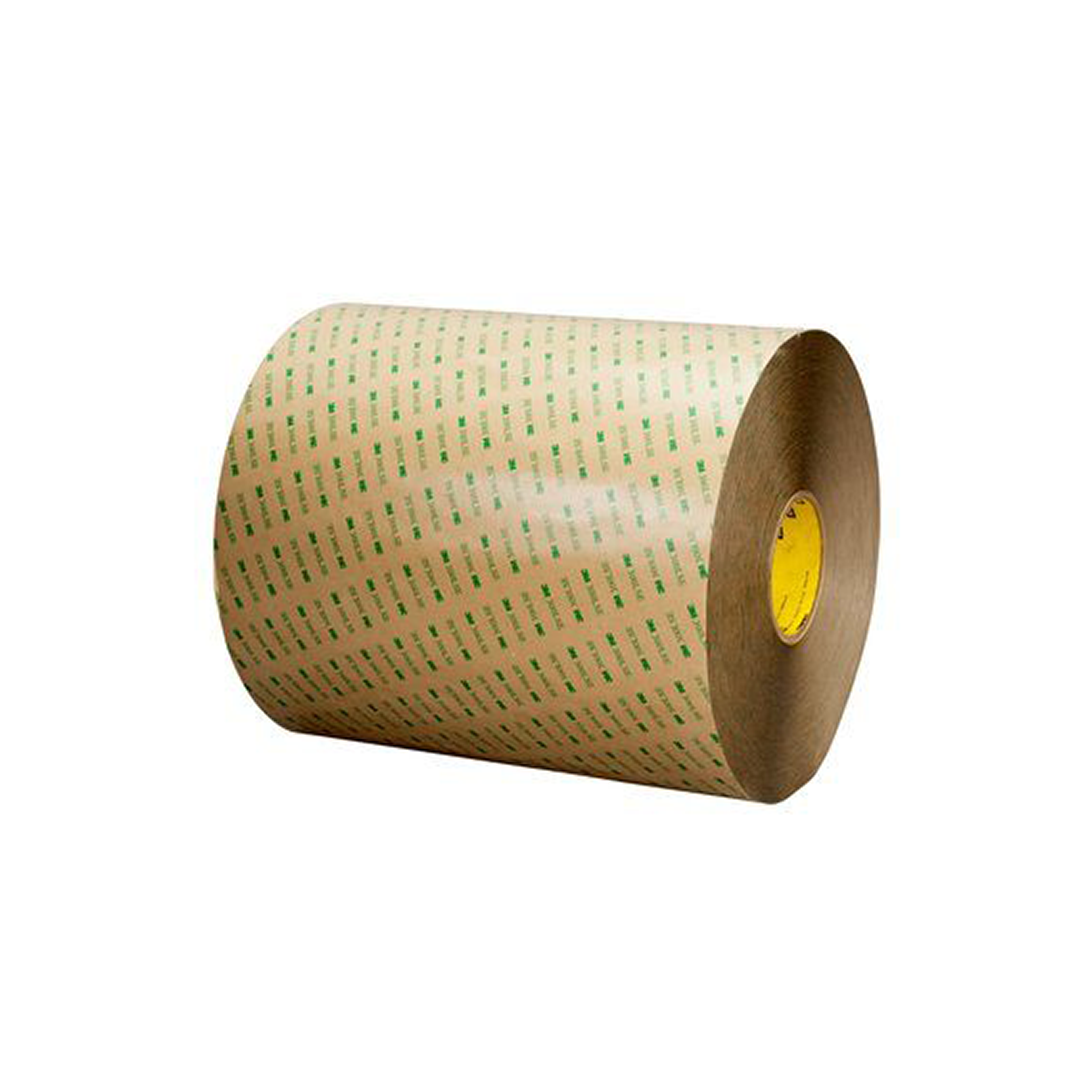
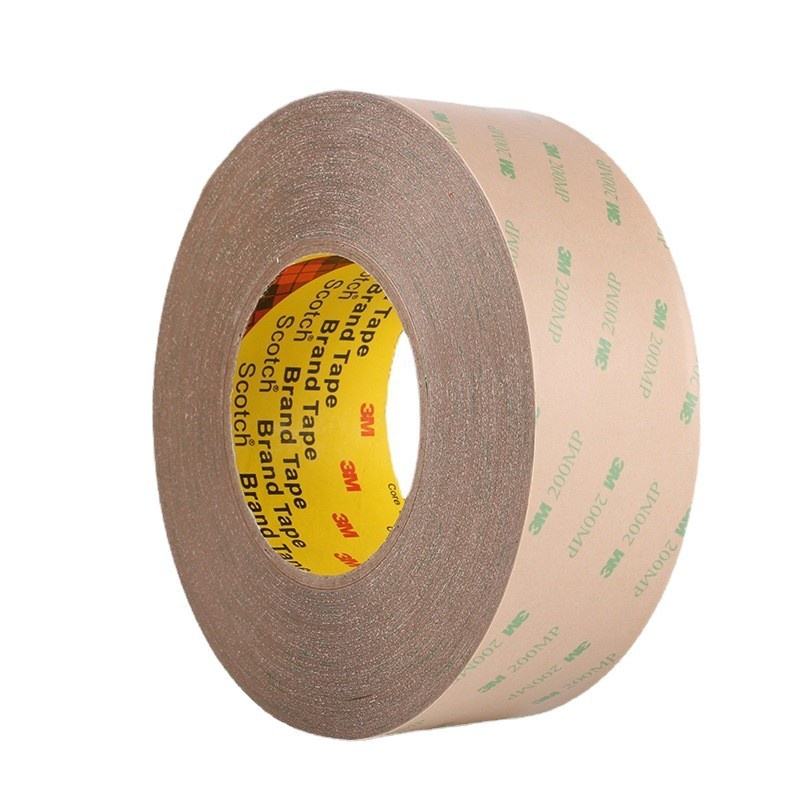
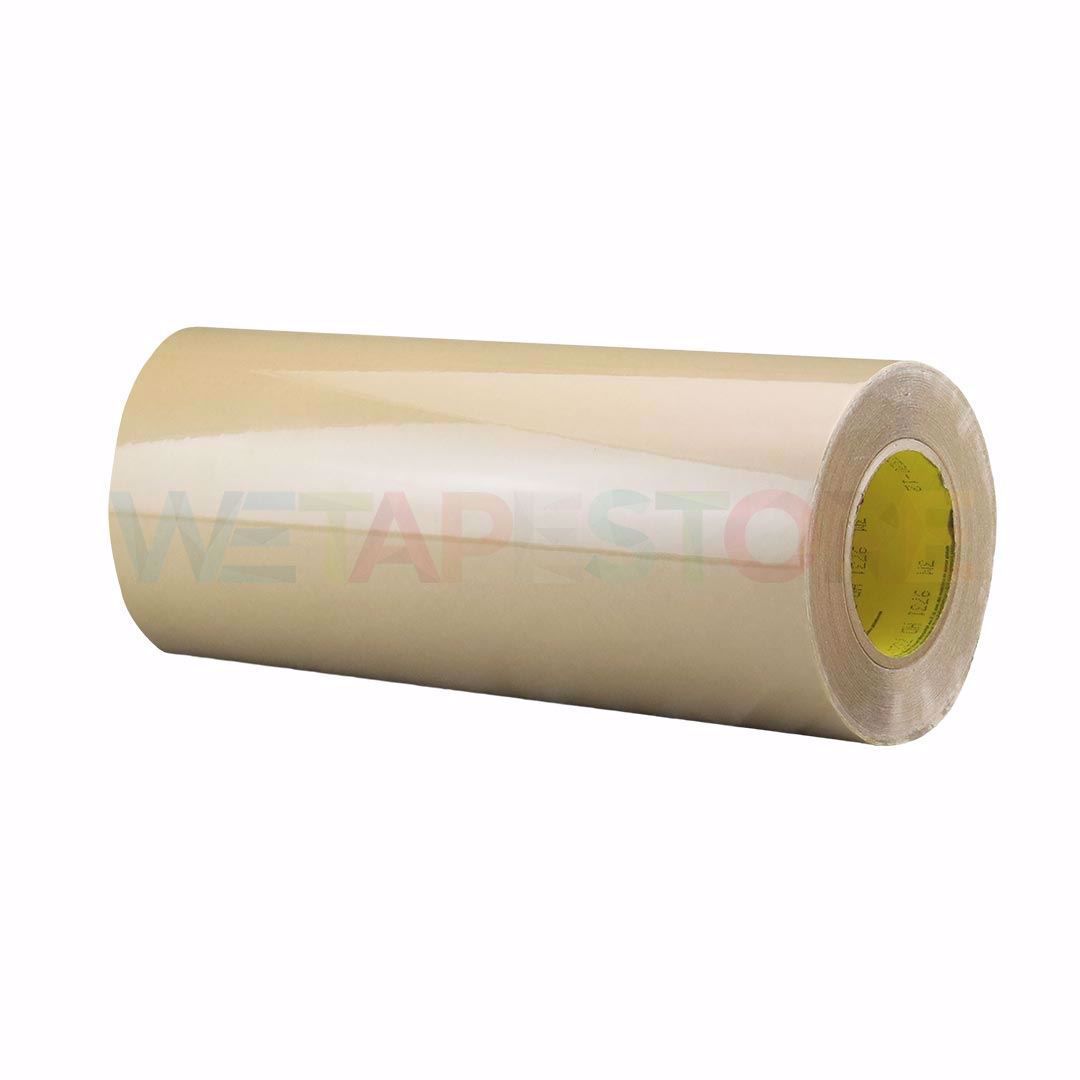
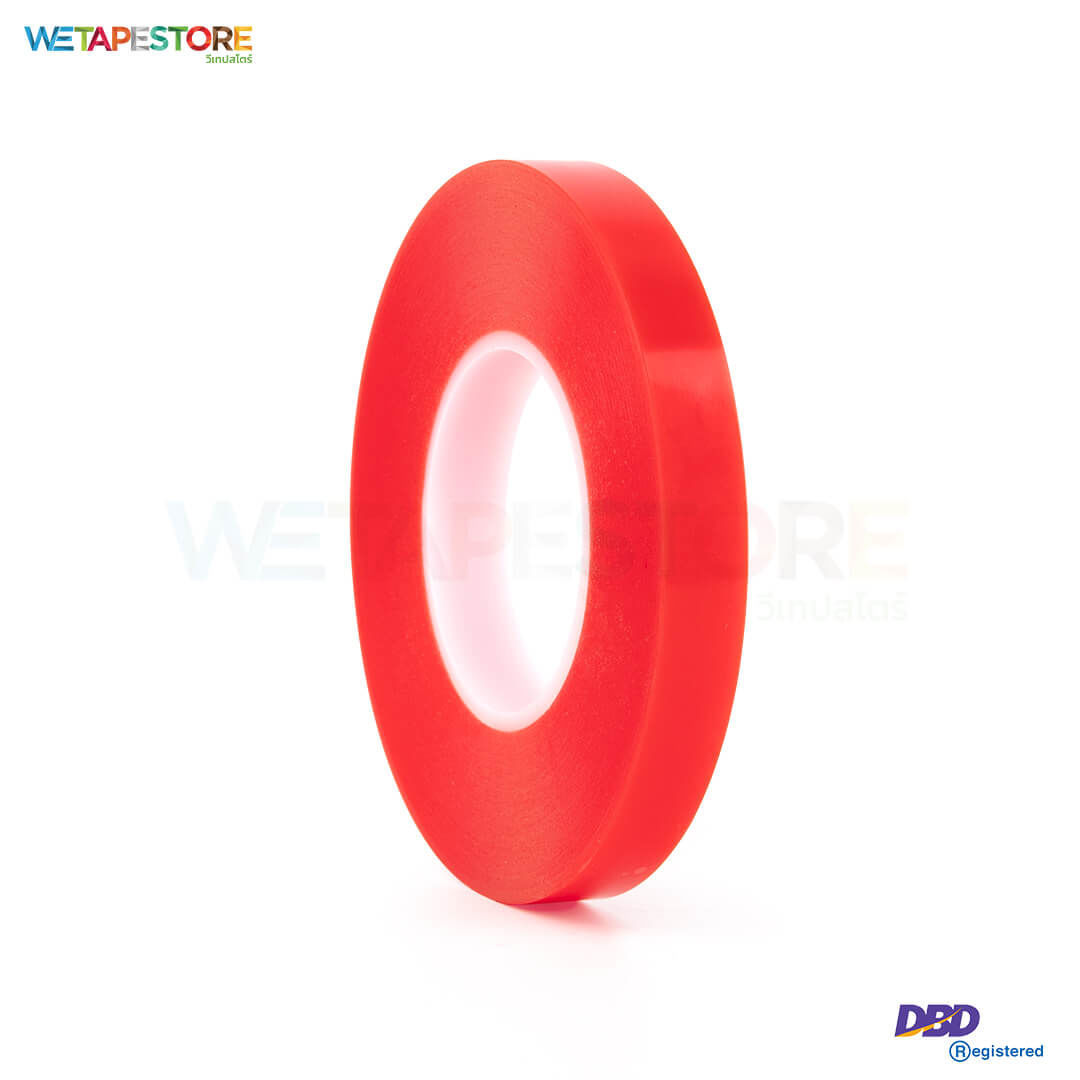
Recommended Thin Film Double-Sided Tapes

What Applications Are Film Tapes Suitable For?
Key Factors Before Selecting Film Double-Sided Tape
Thickness and Assembly Gap
Specify the total tape thickness to match the part design. Thin tape helps reduce joint profile, while compensating for uneven surfaces requires sufficient adhesive thickness and overall tape thickness.
Materials and Forces on the Bond
Identify both materials and their surface conditions before choosing an adhesive formulation. Evaluate the bonding area, weight, and in-service forces, then compare initial adhesion with adhesion after dwell using data for the selected product.
Environment and Converting
Evaluate the heat, humidity, chemicals, and UV exposure the bond will encounter. Then select the liner, roll size, and lamination or die-cutting method to suit the production process.
Select Film Tape to Match Your Part and Production Process
Open each topic to review the adhesive formulation, bond-line smoothness, and converting requirements before selecting film tape for the actual application.
Film Double-Sided Tape
Start with the Bonded Materials
and Surface Conditions
Start with the Bonded Materials
and Surface Conditions
When using film double-sided tape , begin by identifying the materials in contact with each adhesive side, such as metal, glass, plastic, film, foam, or rubber, because surface energy and surface condition affect adhesive selection.
For PP plastic or PE plastic , consider an adhesive designed for difficult-to-bond surfaces. Silicone materials require an adhesive system specifically suited to silicone surfaces and should be tested on the actual part before finalizing a product.
Prepare the material, thickness, and service-condition details so the WeTapeStore team can help evaluate a suitable film tape and provide samples for adhesion testing — specify both bonded materials and joint requirements before selecting the tape.
Thin Bond Line
Reduces Joint Profile
Helps Create a Smooth Bond
and Control Component Spacing
Reduces Joint Profile
Helps Create a Smooth Bond
and Control Component Spacing
The carrier of film double-sided tape is a film such as PET, PE, or PVC, each with different properties. Select the film and adhesive layers to suit components that require a thin, smooth bond line and the specified thickness.
For signage, graphics, control panels, and electronic components, select the total thickness according to the design. Also evaluate the contact area and weight so the bond performs as required.
Clean the surfaces and test the assembly before production use. If a surface is rough or curved, determine whether the adhesive layer can make sufficient contact or whether another tape type is required.
Choose the Film Type
Cut Parts to Specification
Select the Right Liner
for Machinery and Production Methods
Cut Parts to Specification
Select the Right Liner
for Machinery and Production Methods
Film double-sided tape can be converted into custom adhesive parts by selecting the film type, thickness, and liner to suit the part shape, cutting precision, and production method.
Before laminating or cutting to shape, review the tape thickness and liner type together with the punching, die-cutting, or assembly method to ensure the material suits the machinery.
Test with the actual materials using pressure, temperature, and adhesive dwell time close to production conditions — send the part shape and process details to ask about a suitable film tape.
Questions About Thin Film Double-Sided Tape
What is thin film double-sided tape? Click to View Answer
What materials can film tape bond to? Click to View Answer
Which applications suit film tape, and can it be die-cut? Click to View Answer
How much heat can film double-sided tape withstand? Click to View Answer
How should film tape be selected and tested? Click to View Answer
Choose the Right Film Tape for Your Application with WeTapeStore
Send us the material types, bond-line thickness, service conditions, and production steps to ask about suitable film tape products and samples for testing before purchase.
 LINE @wetapestore Check stock / product inquiry
 Chat with Staff Live chat during business hours
 Request a Quote Send details for pricing
 Call Direct sales hotline