




















Industrial metal foil tape
What is metal foil tape?
Thin rolled metal coated with a specialized adhesive — built to work where ordinary tape can't survive.
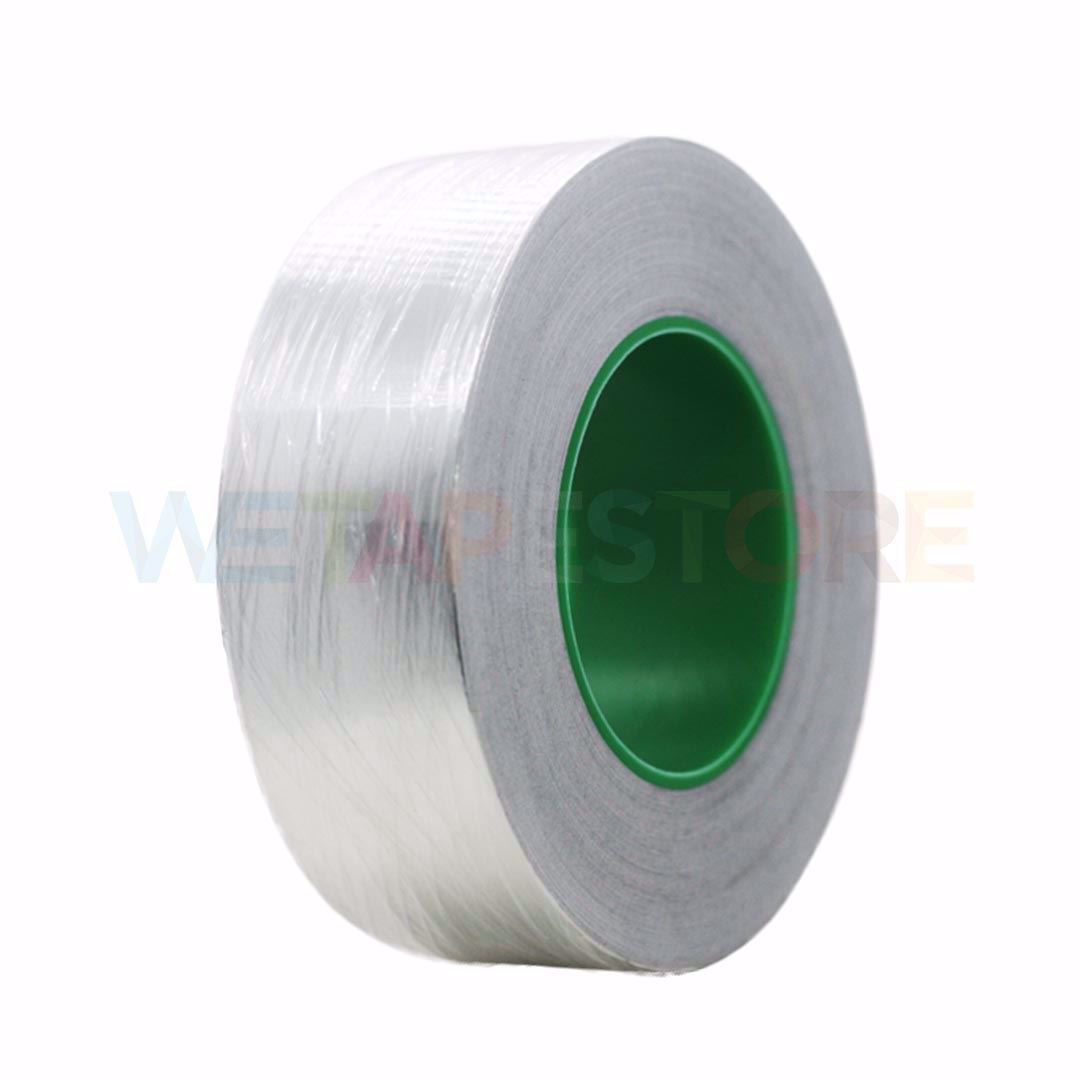
Metal foil tape combines the properties of copper or aluminum with an acrylic or silicone adhesive, so it does more than just stick — it acts as both a barrier and a conductor at the same time.
EMI/RFI shielding
Conductivity & grounding
Heat reflection
Moisture & chemical barrier
Compiled by the WeTape product engineering team · Referenced directly from manufacturers' Technical Data Sheets · 10+ years of experience · ISO 9001 & ISO 14001 certified (by SGS)
*Adhesive type, temperature rating, and thickness vary by model and manufacturer — refer to the TDS of each part number.
Metal Foil Tape Categories
Pick the group that fits your job — copper for conductivity and signal shielding, aluminum for heat reflection and moisture protection. Every category can be slit & die-cut to the size you actually use.
Featured Products
Best-selling models engineers reach for most, in both copper and aluminum — every model can be slit & die-cut to the size you actually use.
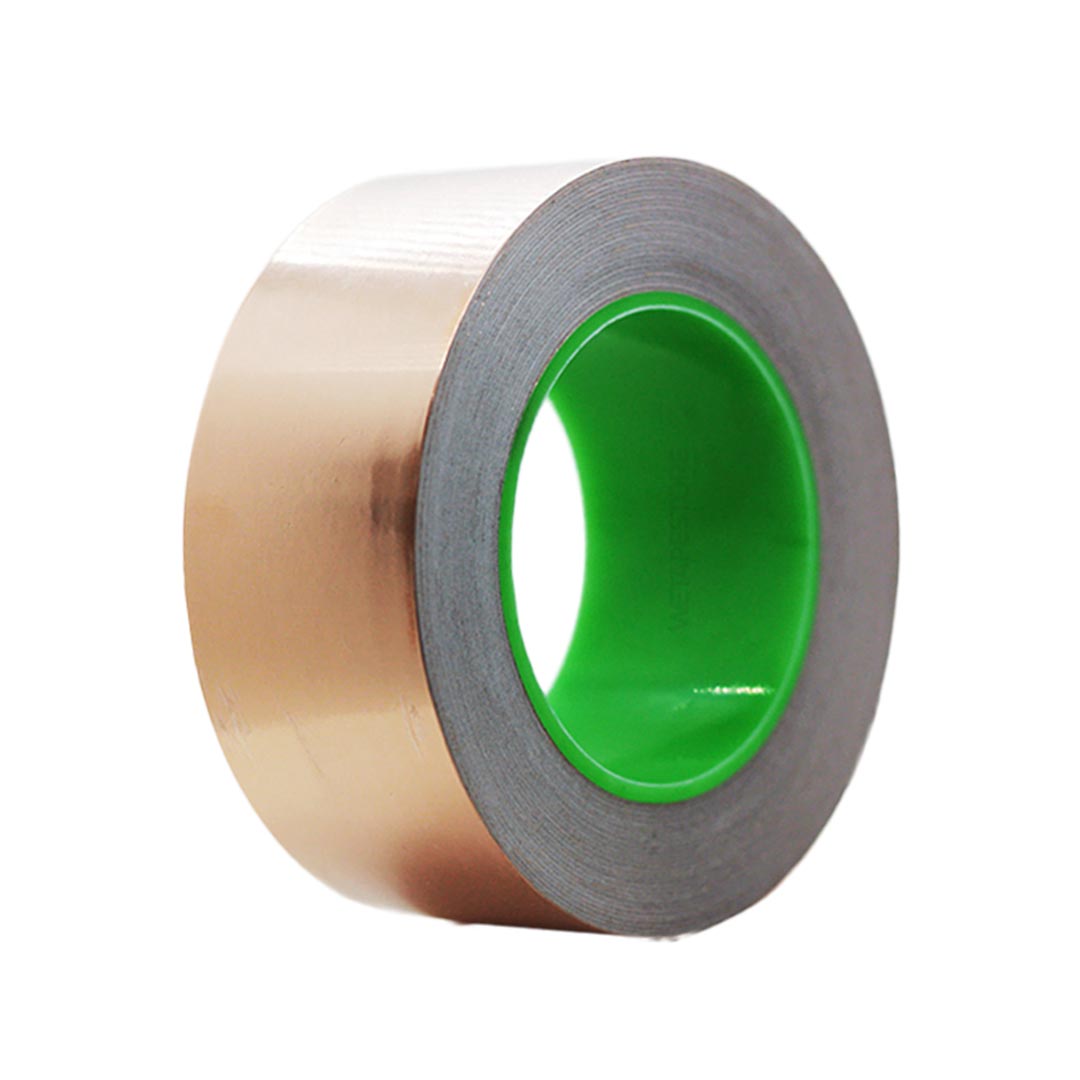
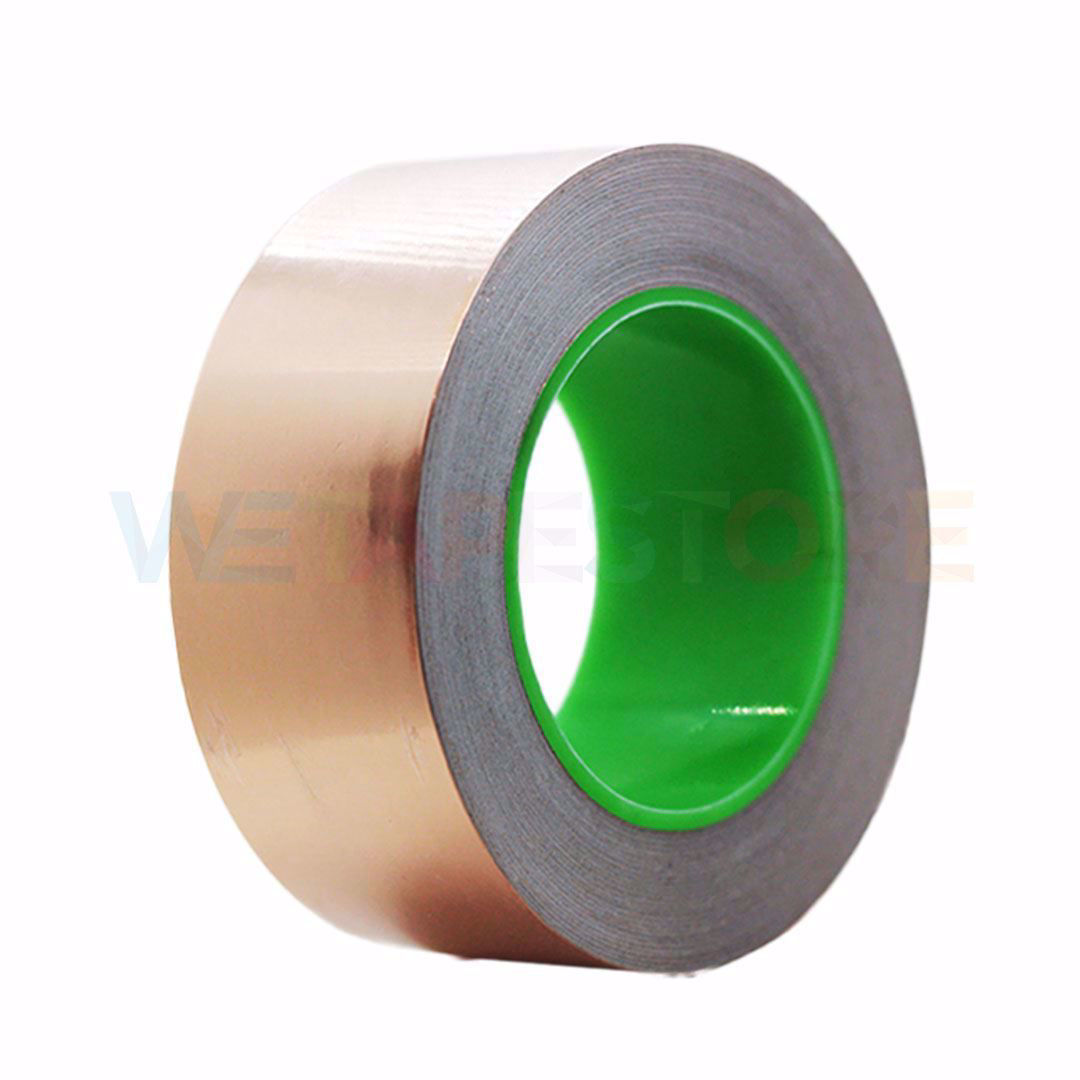
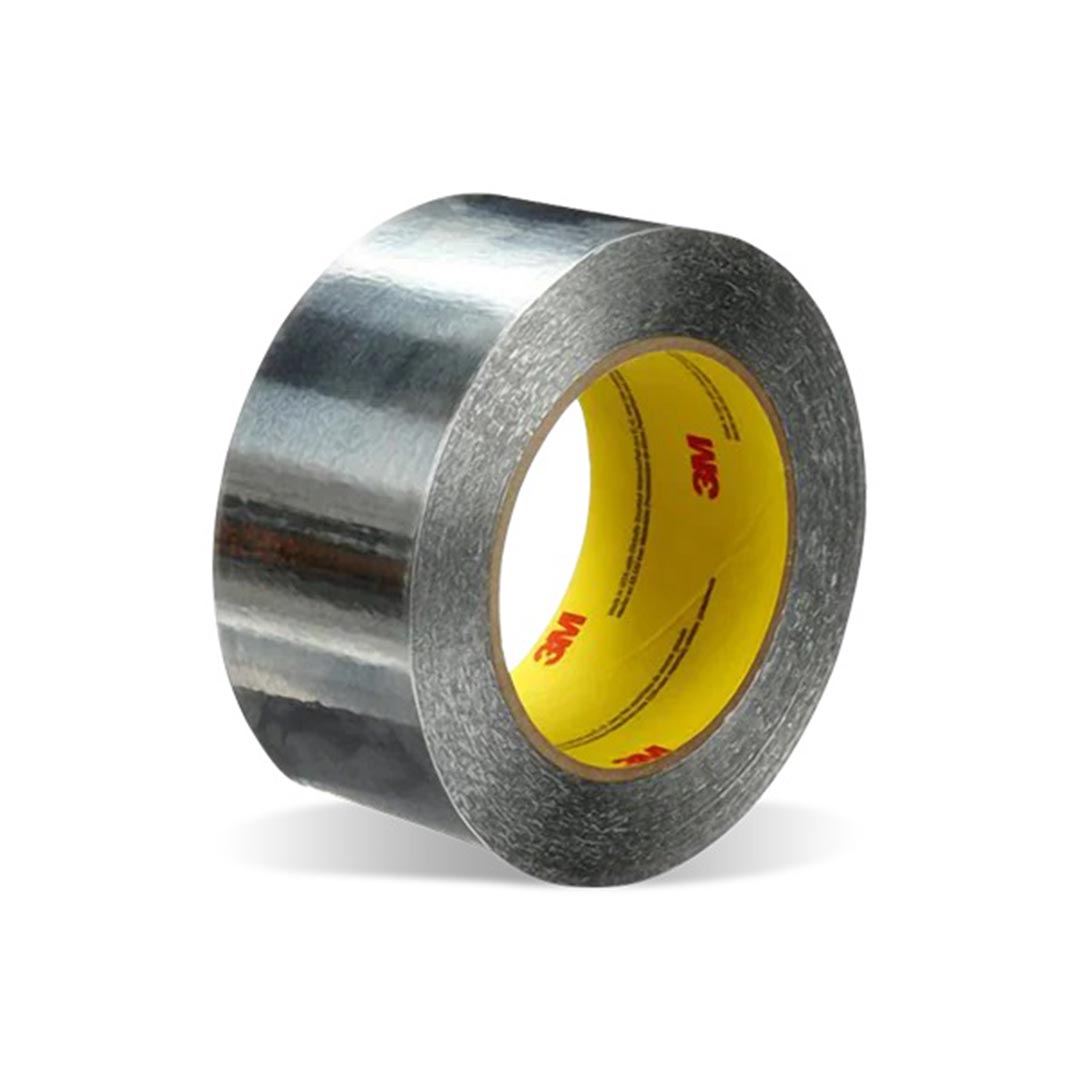
*Prices exclude VAT · Specs reference the manufacturer's Technical Data Sheet and may vary by model and production lot.
Why the grade of foil tape
matters to your work
In industrial work, a small non-standard component is often the root cause of defects and customer claims. The grade of your foil tape affects the job more than you'd expect — especially in these three areas.
Lower defect rate
Consistent conductivity and EMI shielding on every roll lets electronic products pass international standard tests reliably.
Lower maintenance cost
A special acrylic adhesive won't ooze or turn brittle under accumulated heat, extending the life of pipe joints and insulation and reducing repeat repairs.
Lower safety risk
Reduces the risk of sparking or flame spread at high-heat contact points, giving the whole production line peace of mind.
*Work involving electrical safety or high heat should be reviewed by a qualified engineer and tested in real conditions before use — values reference the TDS of each part number.
Industries & Applications
Metal foil tape runs through production lines across many industries — pick the metal that matches the job: copper for electrical and signal work, aluminum for heat and moisture.
*Application examples reference actual product properties — model and spec selection should be based on the TDS of each part number.
How to choose the right
metal foil tape for your spec
The 4 steps engineers use to evaluate and pick the right foil tape for the actual job.
Define the main purpose
Start by asking what the job needs — if it's about conductivity / EMI shielding, choose copper; if it's about heat reflection / leak sealing, choose aluminum.
Check the adhesive type
Circuit work must clearly call for conductive adhesive; pick a non-conductive one by mistake and it won't carry current.
Choose the right thickness
Foil thickness directly affects tensile strength and shielding performance — choose one that matches your project's engineering standard.
Check certifications before ordering
Before moving to production, check the TDS (Technical Data Sheet), SDS, and RoHS compliance in full for safety and confidence that it fits your line.
Not sure which one your job needs? Send us your spec for a free engineer pick ›
Frequently Asked Questions
Copper vs. aluminum foil tape — which should I choose?
It depends on the job — choose copper when you need conductivity, grounding, or EMI/RFI shielding (electronics/PCB work), and choose aluminum when you need heat reflection, seam sealing, or moisture protection (HVAC, ducting, and construction).
What's the difference between conductive and non-conductive adhesive?
Conductive adhesive creates electrical continuity between the foil layer and the surface, ideal for grounding and EMI shielding. Non-conductive adhesive suits sealing, closing, and insulation where you don't want current to pass through.
What temperature can foil tape withstand?
It depends on the model and adhesive type — for example, 3M 425 (dead-soft foil) withstands −54°C to 149°C. For safety, choose a model rated at least 20% above the actual on-site temperature — exact values are in the TDS of each part number.
How should I choose foil thickness?
For curved or rough surfaces, pick a thinner foil so it conforms tightly; for jobs that must resist pulling or abrasion, pick a thicker one — copper is typically available in 0.05–0.1 mm and aluminum in 0.08–0.12 mm.
Can I order custom cut, slit, or die-cut sizes? Is there a high MOQ?
Yes. We have our own cutting machines for slitting, die-cutting, and rewinding to your real-use size, and there's no high MOQ — from R&D test quantities all the way to full production orders.
Do you provide TDS documents and RoHS compliance?
Yes. Every model's specs come from the manufacturer's Technical Data Sheet (TDS), and you can request the SDS and verify RoHS compliance before ordering, for confidence in taking it into production.
What's the starting price for foil tape?
Copper foil tape starts at ฿300/roll (MT 8111C), while aluminum such as 3M 425 is ฿1,950/roll (prices exclude VAT). Some models are quote-on-request via LINE — pricing depends on size and order quantity.
Still have questions? Consult our engineering team via LINE ›
 LINE @wetapestore Check stock / product inquiry
 Chat with Staff Live chat during business hours
 Request a Quote Send details for pricing
 Call Direct sales hotline